Shopping Cart
Your cart is empty
Add some products to get started!
Learn About Hummingbirds
Everything you need to know about feeding, protecting, and creating a safe environment for these amazing tiny birds.
Hummingbird Basics
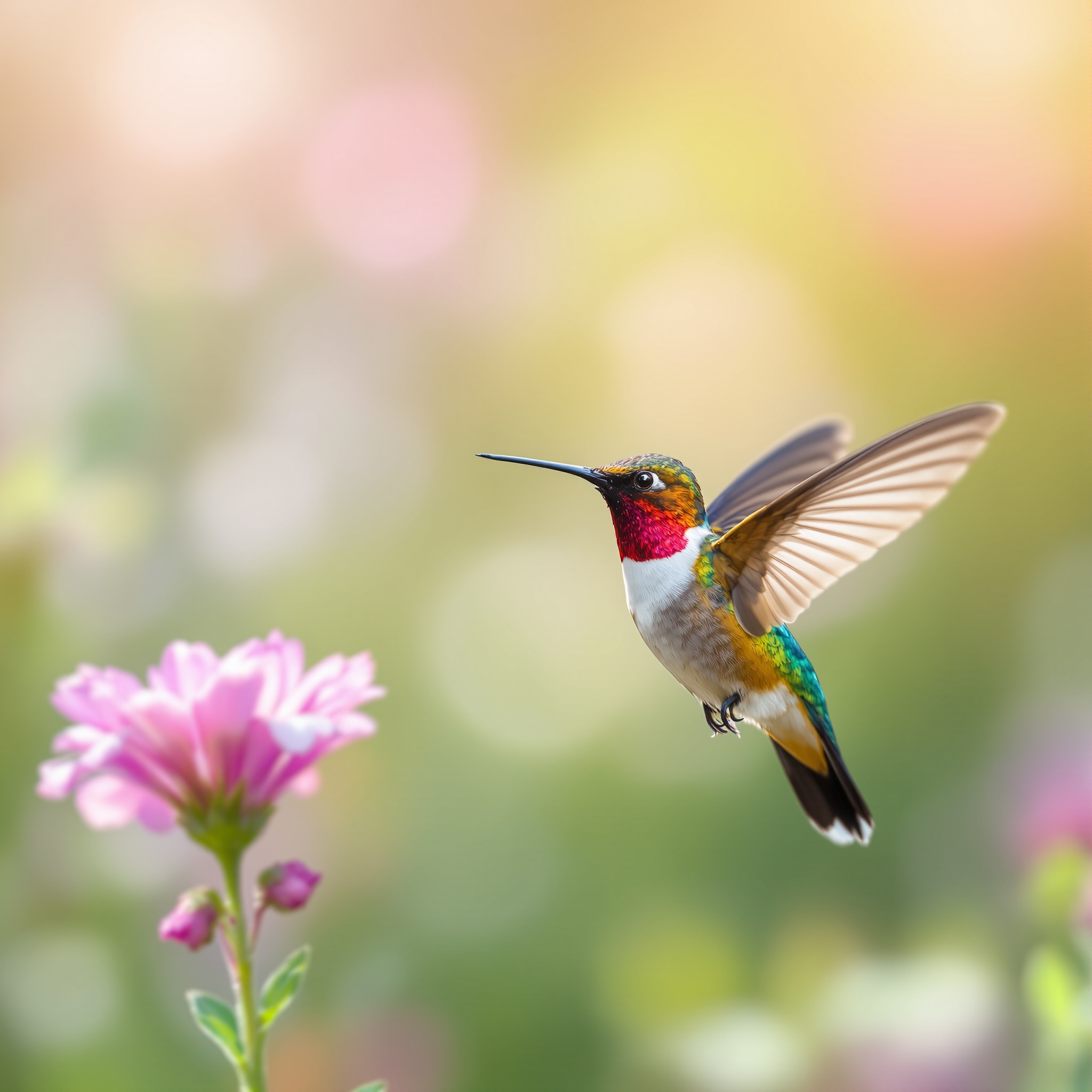
Hummingbirds are among the smallest birds in the world, yet they have incredibly high energy needs. Their rapid wingbeats and fast metabolism require frequent feeding throughout the day.
They primarily feed on nectar from flowers, which provides essential sugars for energy. They also consume small insects for protein and nutrients.
Creating a safe, chemical-free feeding environment helps support their health and natural behavior.
Proper Feeding Guidelines
- • Use our simple nectar mix by adding 1 part mix to 4 parts water.
- • Avoid artificial dyes or red coloring — they are unnecessary & unhealthy.
- • Clean feeders every 2–3 days (more often in hot weather) to avoid the nectar souring.
- • Place feeders in shaded areas to prevent spoilage.
- • Change nectar regularly to prevent mold growth.
Creating a Safe Habitat
Native Plants
Plant nectar-rich native flowers to provide natural food sources throughout the season.
Safe Water Sources
Provide gentle misting fountains or shallow water features for bathing and hydration.
Avoid Pesticides
Minimize or eliminate chemical pesticides that can harm both hummingbirds and their insect food sources.
Support Healthy Hummingbirds
With the right knowledge and proper care, you can create a safe, welcoming space that helps hummingbirds thrive year after year.